Introduction: Why Zermatt?
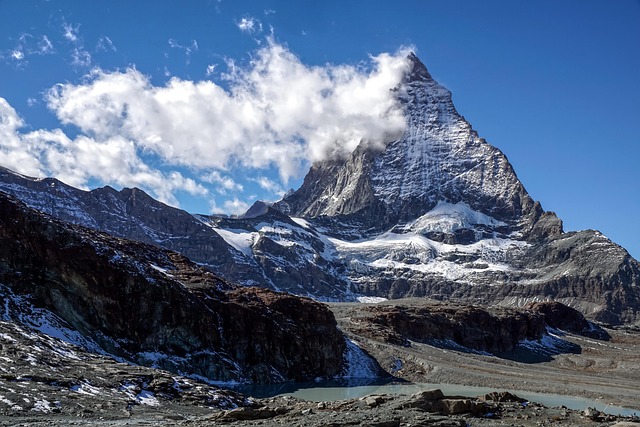
Zermatt doesn’t try to impress with flash; it doesn’t have to. Tucked at the foot of the Matterhorn, it’s a car-free, alpine town that’s quietly confident in its charm. Electric taxis hum through cobbled streets. Wooden chalets line the compact center. Snow blankets everything but the bright-red trains chugging through the white. And above it all, that iconic summit looms—dramatic, photo-ready, and impossible to ignore.
For first-time skiers or travelers dipping their toes into winter adventures, Zermatt is a gentle gateway. The slopes are varied, but there’s plenty of terrain tailored to beginners—places like Wolli Park make it easy to learn without pressure. Off the skis, the village taps into a cozier rhythm: bakeries with warm pastries, mountain spas, scenic train rides, and hikes that don’t need skis or experience.
Zermatt is simple, stunning, and quietly efficient. It knows what it is—and knows what it offers first-timers: a place to slow down, learn at your own pace, and fall in love with winter, one step or ski at a time.
Getting to Zermatt: What You Need to Know
Arrival Airports and Train Connections
Zermatt doesn’t have its own airport, but it’s still easily accessible thanks to Switzerland’s efficient rail system. First-time visitors should plan to fly into one of the two major Swiss airports:
Geneva Airport (GVA): Roughly 3.5 hours to Zermatt by train
Zurich Airport (ZRH): Around 4 hours by train depending on connection times
From either airport, take a Swiss Federal Railways (SBB) train to Visp or Brig, where you’ll transfer to the Matterhorn Gotthard Bahn for the scenic final leg up to Zermatt. Trains run frequently, and connections are typically seamless.
Zermatt Is Car-Free
Once you arrive, you’ll quickly notice something unique: Zermatt is completely car-free. That means no outside vehicles are allowed in the village, and streets are quiet, clean, and pedestrian-friendly.
How to Get Around in Zermatt:
Electric Taxis: Small, quiet, and widely available at the station
On Foot: Most places in Zermatt are walkable, especially in the village center
Electric Shuttle Buses: Great for getting between ski lifts and neighborhoods
Smart Transit Tips for Ski Travelers
Traveling to a ski destination can be tricky, especially with gear. Here’s how to make it easier:
Ship Luggage or Gear Ahead: Some services let you send bags or skis directly to your hotel
Use Luggage Storage at Major Train Stations: Zurich and Geneva both offer secure short-term lockers
Pack Smart: Bring collapsible gear bags and backpacks for easy train travel
Check Hotel Transfers: Many hotels offer pickup from the Zermatt train station using electric shuttles
Navigating to and within Zermatt is part of the adventure. With a little planning, your journey can be nearly as unforgettable as the destination itself.
Where to Stay: Which Area Fits Your Style
Zermatt isn’t sprawling, but where you stay still matters. The heart of the village puts you within walking distance of the Gornergrat train, shops, restaurants, and most après-ski spots. It’s lively, convenient, and full of charm. If you want classic chalet views and want to stroll to dinner, this is your zone.
Head to the outskirts—areas like Winkelmatten or the lower parts toward Täsch—for a quieter stay. It’s more residential and relaxed. These spots are ideal if you’re here to recharge and don’t mind walking a bit or catching a short electric taxi into town. Some lodges even tuck up against wooded trails, offering that alpine-seclusion-within-walking-distance vibe.
For lodging, the range is solid. You’ve got luxury chalet hotels with full spas, mid-range family-run inns, and budget-friendly B&Bs that still serve up mountain views. First-timers often go for the mid-tier: comfort, location, and a solid breakfast before hitting the slopes.
If ski-in/ski-out is top of your list, aim for places close to the Sunnegga funicular base or near the Furi lift. Some high-end lodges advertise true ski-to-door access, but even within walking distance, you’ll find manageable access to lifts with gear in tow. Pro tip: many hotels offer ski lockers at base stations—makes life easier than clomping through town in ski boots.
Hitting the Slopes: Skiing as a First-Timer

Starting out in Zermatt? Good news—you’re not expected to tackle black runs off the bat. For complete beginners, Wolli Park is where to begin. It’s tucked into the Sunnegga area and was designed specifically for learners and kids. Gentle slopes, magic carpets, and forgiving gradients make it one of the safest spots to build confidence. Plus, with the Matterhorn as your backdrop, the views don’t hurt.
The surrounding Sunnegga area also offers wide blue runs with easy access, perfect for when you’re ready to level up. And getting there? A funicular takes you straight up from the village in minutes, no stress required.
Don’t wing it—book a lesson. Zermatt has several English-speaking ski schools, and instructors here are used to absolute beginners. A half-day session can save you from days of trial and error. You’ll pick up posture, how to stop safely, and the basics of ski lifts—all without frustrating yourself or others on the slope.
For gear, rental shops are everywhere and range from basic to near-pro equipment. Local spots like Julen Sport or FlexRent offer full packages (skis, boots, poles, helmet). Book in advance during high season. Lift passes range from half-day beginner access to full-area coverage if you’re exploring more. The Zermatt Bergbahnen station has updated options for learners who don’t need the entire mountain.
Don’t overthink the gear—just make sure your boots fit well and your outerwear is warm and waterproof.
For more tips on lessons, rentals, and first-day must-knows, check out Essential tips for skiing in Zermatt as a beginner.
Off the Slopes: What Else to See and Do
Zermatt may be a skier’s paradise, but there’s plenty to explore even if you never touch a piste. Whether you’re taking a rest day or traveling with non-skiers, the village offers a mix of experiences that range from breathtaking scenery to pampering spa treatments.
Scenic Adventures for Non-Skiers
Even without skis, you can still enjoy the beauty of the mountains:
Gornergrat Railway: Take a ride on one of the highest open-air cog railways in Europe with panoramic views of the Matterhorn.
Glacier Paradise (Klein Matterhorn): Visit the highest cable car station in Europe and walk through a real glacier with ice sculptures and tunnels.
Winter Hiking & Snowshoeing: Over 70 km of snow trails offer peaceful alternatives to the ski scene.
Cultural and Cozy Indoor Options
When you’re ready to warm up and relax indoors, Zermatt has plenty to offer:
Matterhorn Museum – Zermatlantis: Dive into the history of Alpine traditions, mountaineering, and life in early Zermatt.
Wellness & Spas: Many hotels offer spa facilities with saunas, heated pools, and massages. Perfect for unwinding after a day outdoors.
Dining and Culinary Highlights
Experience Alpine cuisine at its best:
Swiss Comfort Food: Try raclette, fondue, or rösti at traditional mountain restaurants and local taverns.
Fine Dining: Zermatt is home to several Michelin-starred restaurants offering high-end culinary experiences.
Lunch with a View: Mountain huts like Chez Vrony or Findlerhof offer delicious meals with unbeatable backdrops.
Looking to dig deeper into the non-ski side of Zermatt? Don’t miss this complete guide: Explore Zermatt beyond the skiing experience
Eating and Après-Ski: Fueling Your Days
Experiencing the food and après-ski culture in Zermatt is just as important as hitting the slopes. Whether you’re grabbing a quick bite on the mountain or settling in for a cozy evening, Zermatt serves up authentic Swiss flavors with Alpine flair.
Where to Grab Swiss Comfort Food
Skiing works up an appetite, and Zermatt doesn’t disappoint. Here’s where to find the best fuel for your snow days:
On the Slopes:
Chez Vrony – A world-renowned mountain restaurant above Sunnegga offering organic alpine classics with stunning Matterhorn views.
Findlerhof – Accessible directly from the slopes, it’s perfect for gourmet lunches with a rustic touch.
In the Village:
Walliserkanne – Known for Swiss classics like fondue and raclette in a traditional chalet-style setting.
Restaurant Schäferstube – A cozy choice for hearty local dishes and a relaxed atmosphere.
Du Pont – Zermatt’s oldest restaurant, serving honest, simple Swiss food like Rösti and sausages.
Après-Ski Culture: Where to Unwind
Après-ski in Zermatt leans more chic lounge than rowdy dance party, though you’ll find both if you look hard enough.
Mountain Vibes:
Hennu Stall – Located on the run down from Furi into town, it’s your classic après spot with music, mulled wine, and sociable crowds.
In Town:
Cervo Bar – A stylish, upscale après-ski bar where locals and visitors mingle over cocktails by the fire.
Papperla Pub – A laid-back venue with live music, hearty snacks, and great local beer.
Snowboat – Zermatt’s “yacht” in the snow, known for its creative menus and lively upstairs lounge.
Whether you end your ski day with a classy cocktail, a warm fondue pot, or dancing in snow boots, Zermatt has an après-ski scene to match your vibe.
Final Tips for a Smooth First Visit
Zermatt might feel like a snow globe, but it runs on Swiss precision. The local currency is the Swiss Franc (CHF), though some places near tourist zones may accept euros (don’t count on it). Most people speak German, occasionally French or Italian, and many locals switch to English easily—especially in the service industry. Still, a few words of polite German (like “Danke” and “Grüezi”) go a long way and show respect. And speaking of respect, keep things quiet on public transport, don’t cut lift lines, and tip about 5–10% if you’re feeling well taken care of.
Packing light is smart, but strategic. Layers are key—thermal base, mid-layer fleece, waterproof outer. Bring quality gloves and sunglasses; Swiss sun on snow is blinding. You can rent skis, boards, boots, poles, helmets—basically all the big stuff—right in town, often near lifts. Reserve in advance during peak weeks.
To save without feeling penny-pinched, look for bundled lift + rental deals, book accommodations early, and avoid eating every meal slopeside (mountain food adds up fast). For groceries, Coop and Migros are your friends. And if you’re not skiing every day, off-slope passes for attractions or transportation offer good value.
Conclusion: Make the Most of Your First Zermatt Trip
You don’t need to strap on skis to feel the pull of Zermatt. It’s in the details—the whisper-quiet streets, the way the Matterhorn seems to change color with the hour, the warm glow spilling out of chalet windows at dusk. There’s a rhythm here that’s hard to describe until you’re in it. It slows you down, grounds you, and makes that morning coffee taste a little better.
Maybe it’s the mix of old-world charm and modern comforts. Maybe it’s getting to a mountaintop restaurant by cogwheel train. Or maybe it’s just the pleasure of not hearing a single car horn for days. Whatever it is, most people don’t just visit Zermatt once. Something about the place sticks—and calls you back, year after year.
 Matthew Farrell
Is a talented author at Winder Sportisa, renowned for his insightful and engaging writing. With a deep passion for sports and a keen eye for detail, Matthew crafts content that resonates with a diverse audience. His commitment to accuracy and storytelling excellence has made him a valuable asset to the team. Matthew's work reflects the core values of Winder Sportisa, emphasizing community, integrity, and innovation. Through his writing, he not only informs but also inspires readers, contributing to the company's mission of creating a supportive and inclusive environment. His dedication and skill continue to elevate the quality of Winder Sportisa's content.
Matthew Farrell
Is a talented author at Winder Sportisa, renowned for his insightful and engaging writing. With a deep passion for sports and a keen eye for detail, Matthew crafts content that resonates with a diverse audience. His commitment to accuracy and storytelling excellence has made him a valuable asset to the team. Matthew's work reflects the core values of Winder Sportisa, emphasizing community, integrity, and innovation. Through his writing, he not only informs but also inspires readers, contributing to the company's mission of creating a supportive and inclusive environment. His dedication and skill continue to elevate the quality of Winder Sportisa's content.