Intro: Why Aspen is a Dream for Winter Photography
Aspen’s winter landscape is the kind of place that looks edited even when it’s not. Fresh snow lays clean over valleys, rooftops, and ridgelines. Pines hold onto powder like they’re posing for it. Every turn offers a new, almost cinematic frame—no wonder it’s a magnet for photographers.
But Aspen isn’t just another ski town with snow. It’s the contrast that separates it. You’ve got jagged peaks right behind historical Victorian streets. Deep alpine bowls next to quiet ghost towns. Add the high-altitude light and dry Colorado snow, and you’ve got miles of texture and color with crisp visibility.
For the best shots? Mid-December through February is peak. Go early mornings for soft light that lights up the snow without glare. Bluebird skies after a storm are what most photographers chase—cloud relief, fresh powder, and deep shadows. Location-wise, spread out. Hit downtown for charm, hit the mountains for scale, and take your time with both.
Maroon Bells in Winter Silence
Few places capture the serene beauty of Aspen’s winter quite like Maroon Bells. These twin peaks, often considered the most photographed mountains in North America, take on a whole new dimension under a thick blanket of snow.
Why Visit in Winter?
Fewer Crowds: Unlike the bustling summer and fall, winter offers peaceful, unobstructed views.
Pristine Scenery: Untracked snow and dramatic alpine light add a magical stillness to the scene.
Best Time to Shoot
Sunrise is Key: Early morning light bathes the peaks in a soft golden glow, highlighting the snowcaps and creating postcard-worthy contrasts.
Blue Hour: Just before sunrise and after sunset, the subtle lighting adds mood and depth perfect for minimal, moody compositions.
Access Tips in Snowy Conditions
Getting to Maroon Bells in winter requires planning. The road is closed to vehicles past the gate near T-Lazy-7 Ranch, so you’ll need to approach creatively.
Access Options:
Park at the winter trailhead gate
Use snowshoes or cross-country skis to reach the best vantage points
Dress in layers and bring insulated boots—this is a trek through deep snow
Pro Photographer Tip
Bringing lighter gear and being mobile matters. Snowshoes or XC skis not only help you reach unique angles but also reduce time spent postholing through snow. Scout compositions quickly and be ready for sudden changes in light.
Maroon Bells in winter delivers image after image of untouched alpine magic—you just need the right steps to get there.
Downtown Aspen: Historic Meets Holiday Magic
Downtown Aspen is where timeless charm meets seasonal sparkle. In the winter months, the town’s streets transform into a postcard-perfect scene, with Victorian-era architecture wrapped in fresh snow and illuminated by festive lights.
What to Expect
Snow-draped rooftops: Accentuate the town’s historic character, especially after a fresh snowfall.
Holiday lights: Strings of warm lights and decorated storefronts bring the streets to life by evening.
Unique mix: Capture the contrast between old-world charm and Aspen’s upscale winter energy.
Best Time to Shoot
Night photography in December is ideal.
Opt for long exposure shots to highlight the glowing lights and softly falling snow.
Blue hour (just after sunset) provides a perfect balance between crisp atmospheric light and festive illuminations.
Photographer Tips
Use a tripod for stability during long exposure.
Shoot in RAW format to recover shadow detail and achieve perfect white balance in snow scenes.
Explore the alleyways and side streets for intimate scenes removed from the main crowd.
For a deeper appreciation of Aspen’s layered history and how it shaped the town’s unique visual identity, check out this guide: Aspen Travel History.
Aspen Mountain – Sundeck Views
Step off the gondola, and you’re instantly handed one of Aspen’s most iconic photo ops. The high-elevation vantage point gives you wide sweeps of snow-packed ridgelines, with morning haze or late-afternoon sun dialing in the drama. Layers of jagged peaks stretch out like a topo map painted in whites and blues—clean, crisp, and high contrast.
Want action shots? The Sundeck delivers. Skiers and snowboarders carve through powder in every direction, giving you endless chances to snap dynamic energy against a cinematic alpine canvas. Try shooting downhill for a compression effect, or swing wide to frame people mid-turn against narrow ridges.
Aim for mid- to late-afternoon when the light picks up color and long shadows carve texture across the slopes.
For more must-see vantage points on Aspen Mountain, check out Top Aspen Sights.
Independence Pass in Winter White
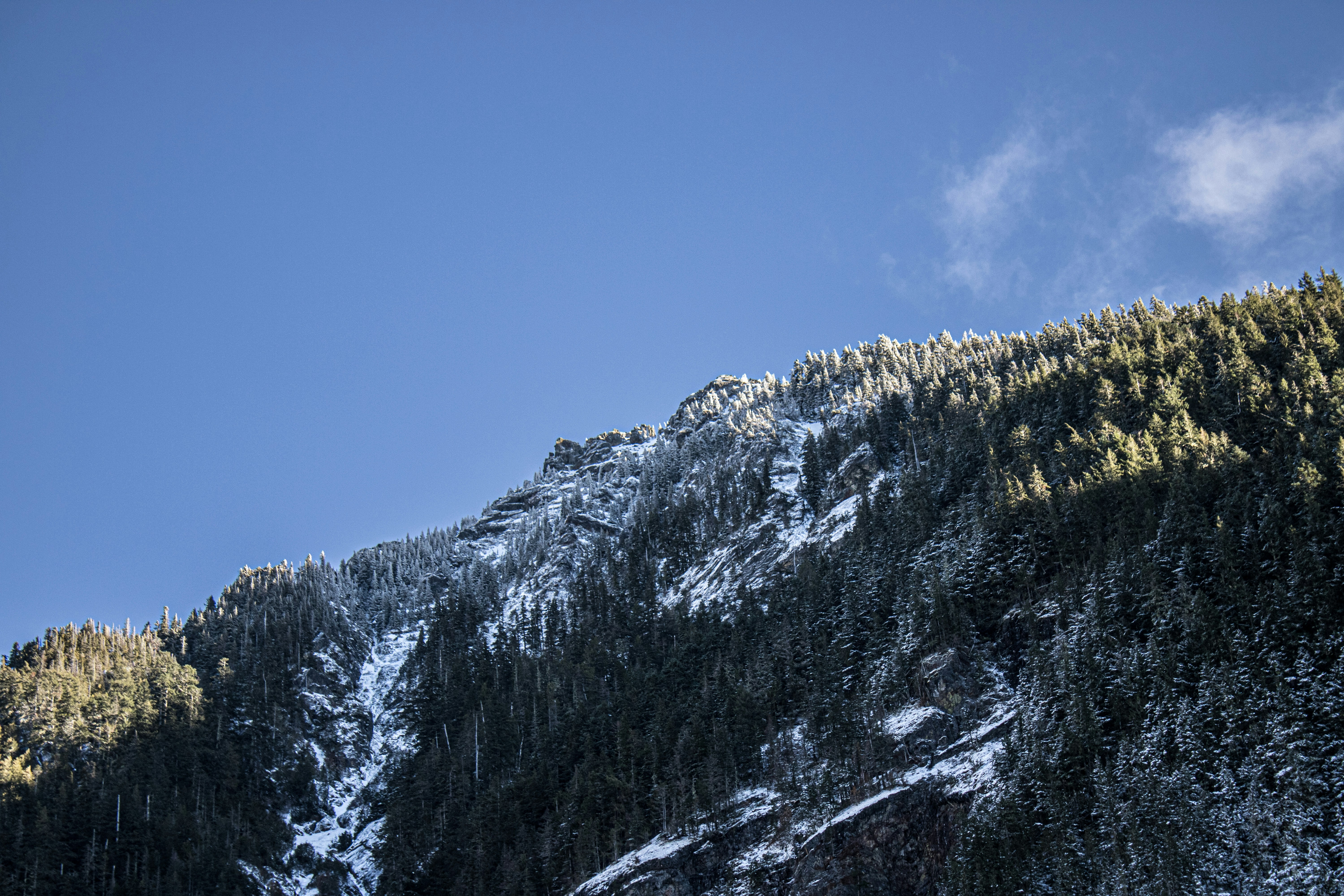
Once snow hits hard, most of Independence Pass shuts down. But if you can make it up before the full winter closure—or even just to the gate—it’s magic. The winding road becomes a sculpted ribbon of white, framed by icy cliffs and pine forests dusted like pastries. It’s quiet, remote, and perfect for anyone looking to add mood and space to their winter portfolio.
This stretch is made for those iconic, otherworldly shots: the kind where the road disappears into snow fog, or a lone tree breaks the blanket of white. Pine clusters rising out of the mist? Surreal. Pull-offs are limited and icy, so scout intelligently and gear up accordingly.
Drone footage here can be stunning—but you need to be sharp and legal. Airspace in winter can shift due to weather and safety restrictions, so check FAA rules and local closures before flying. Stick to permitted areas and keep altitude low to avoid disturbing wildlife or search and rescue work.
Castle Creek Road & Ashcroft Ghost Town
Step into a frozen moment in time with Aspen’s most hauntingly beautiful winter location. Castle Creek Road leads you to the historic remains of the Ashcroft Ghost Town, where snow-draped cabins sit silently beneath jagged alpine peaks.
Why It Stands Out
This location is unmatched for atmospheric and moody winter shots that feel like scenes from a documentary or a postcard from the past.
Historic mining cabins, weathered by time and snow, offer texture and depth to compositions
Snow-covered landscapes create natural contrast that works brilliantly in black-and-white or desaturated color palettes
Backdrops of dramatic peaks make this area striking even in overcast lighting
Photography Tips
Composition: Frame cabins against the mountains to emphasize scale and history
Best conditions: Visit after fresh snowfall in the early morning for untouched scenery
Style focus: Use black-and-white shots to enhance the town’s quiet, ghostly feel
Storytelling: Capture wide establishing shots as well as close-ups of wood textures, frozen windows, or stray footprints
Access & Considerations
The road is usually plowed but may be slick—check local conditions before heading out
Light traffic and low elevation make it a relatively easy winter spot to reach compared to higher passes
Shoot respectfully, as this is a preserved historical site
Castle Creek and Ashcroft serve as the perfect counterpoint to Aspen’s high-energy ski resorts—offering a moment of calm, story-rich winter stillness.
Final Tips for Winter Shooting in Aspen
Cold weather photography has its own playbook, and Aspen doesn’t cut you any slack. First: gear. Batteries drain quicker in the cold, so pack extras and keep them close to your body to stay warm. Condensation can fog up expensive lenses—avoid sudden temperature changes and use lens hoods or anti-fog wipes to stay clear.
Safety isn’t a suggestion—it’s mandatory. Dress in layers to regulate body heat, and never underestimate how dry high-altitude cold can be—hydrate more than you think you need to. If you’re venturing off the beaten path, know the avalanche forecast, and don’t go it alone unless you’ve trained for it.
Finally, treat the environment like it’s loaned, not owned. Stay on marked trails, don’t fly drones where they’re restricted, and know that just because something “looks untouched,” doesn’t mean it’s okay to trample. Local rules exist for a reason—respect them, and you’ll walk away with both great shots and a clear conscience.
Wrap-up
Aspen pays off for photographers who don’t mind cold fingers and early mornings. The scenery is raw, pristine, and constantly changing with the light. Snowstorms roll in, draping everything in white—then blue skies crack open, offering a perfect shot if you’re ready for it.
This isn’t a place to wing it. Pack smart. Know your route. Check weather and avalanche updates before heading out. And once you’re out there, stay aware. The beauty might be instant, but the conditions can shift just as fast.
Bottom line: if you respect the elements and plan ahead, Aspen delivers the kind of winter shots that stick in your reel—and your memory.
 Matthew Farrell
Is a talented author at Winder Sportisa, renowned for his insightful and engaging writing. With a deep passion for sports and a keen eye for detail, Matthew crafts content that resonates with a diverse audience. His commitment to accuracy and storytelling excellence has made him a valuable asset to the team. Matthew's work reflects the core values of Winder Sportisa, emphasizing community, integrity, and innovation. Through his writing, he not only informs but also inspires readers, contributing to the company's mission of creating a supportive and inclusive environment. His dedication and skill continue to elevate the quality of Winder Sportisa's content.
Matthew Farrell
Is a talented author at Winder Sportisa, renowned for his insightful and engaging writing. With a deep passion for sports and a keen eye for detail, Matthew crafts content that resonates with a diverse audience. His commitment to accuracy and storytelling excellence has made him a valuable asset to the team. Matthew's work reflects the core values of Winder Sportisa, emphasizing community, integrity, and innovation. Through his writing, he not only informs but also inspires readers, contributing to the company's mission of creating a supportive and inclusive environment. His dedication and skill continue to elevate the quality of Winder Sportisa's content.