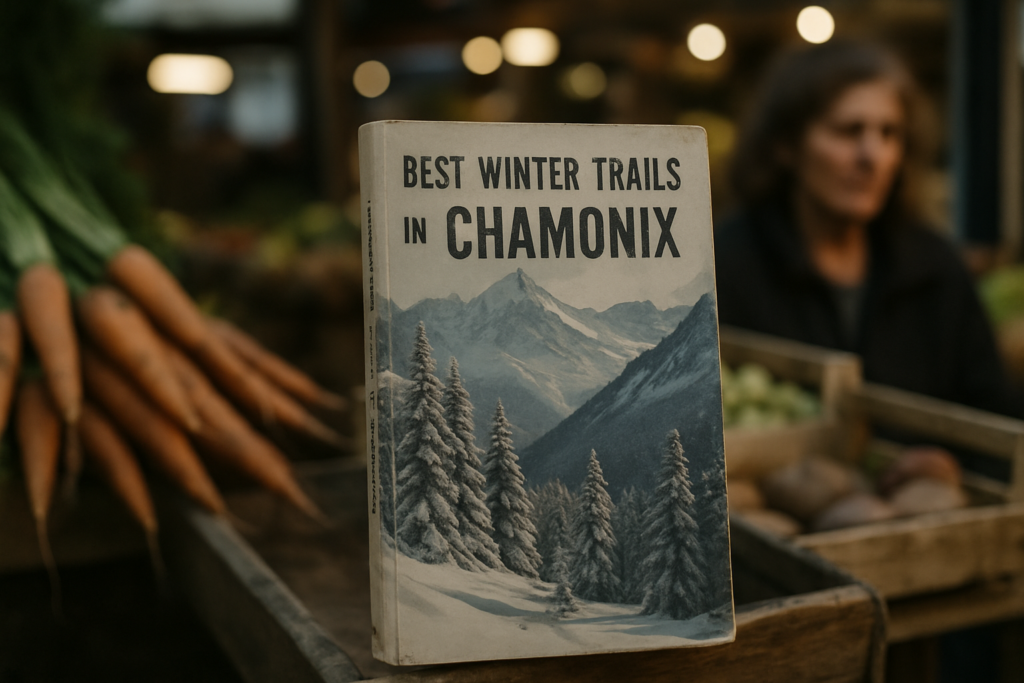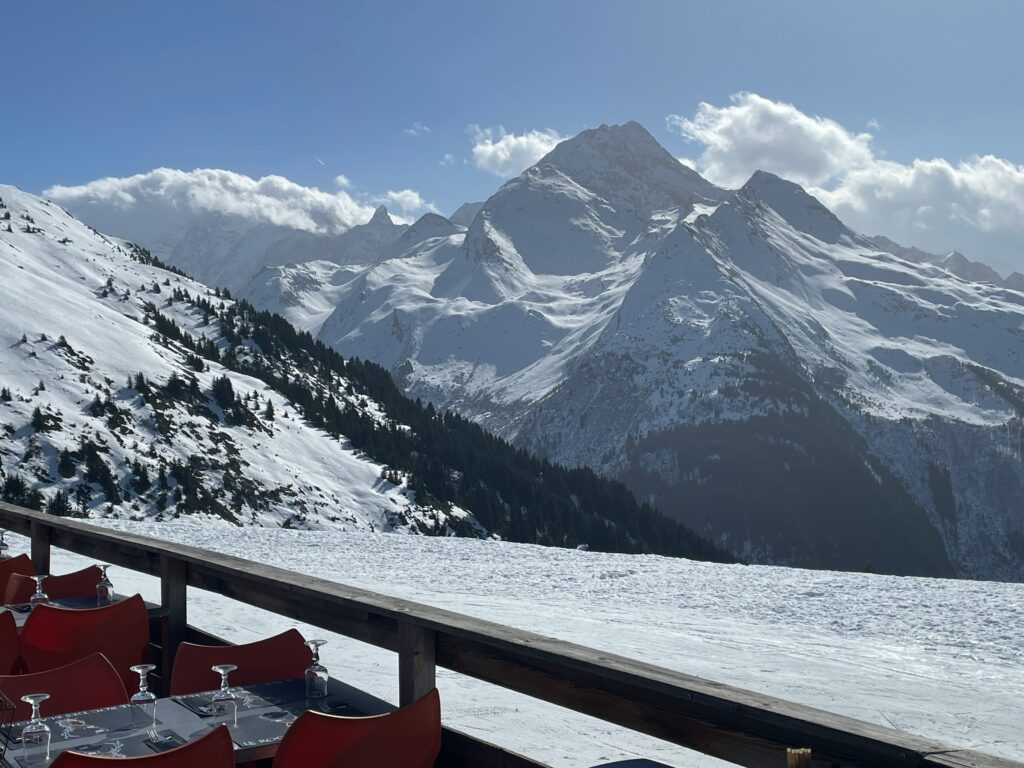
What Makes Chamonix Unique for Food Lovers
Chamonix isn’t just about skiing—it’s about the rhythm that follows. You carve lines all day, then shift gears as the sun dips behind the peaks. Après-ski here isn’t a side note; it’s the main event. The town flips from rugged to refined without missing a beat, and dinner becomes the new thrill.
What sets it apart is the blend. You get Alpine soul—cheese-heavy, fire-warmed, wine-paired comfort—but also global polish. Talented chefs from France and beyond have quietly made Chamonix their canvas. That means slow-cooked boeuf bourguignon next to miso-glazed char, or a classic tartiflette plated like fine art. It’s a mix that feels organic, not forced.
But there’s a catch: some places cook with heart, others with a view of the tourist wallet. The smart move? Go where the locals go. These are the taverns and tucked-away bistros where the food speaks louder than the branding. If a place fills up by 7:00 and doesn’t have a laminated menu in five languages, you’re probably in the right spot.
Start Strong: Iconic Savoyard Flavors
When it comes to après-ski dining in Chamonix, nothing delivers comfort and authenticity quite like the traditional Savoyard dishes. These rich, cheesy, and hearty specialties provide the perfect reward after a long day on the mountain.
The Staples of Mountain Cuisine
If you’re new to Alpine dining, start with the holy trinity of classic dishes:
Fondue Savoyarde – Melted local cheeses (often Comté, Beaufort, and Emmental) combined with white wine, served with crusty bread for dipping.
Raclette – A semi-hard cheese melted and scraped over potatoes, charcuterie, and pickles.
Tartiflette – A decadent casserole of potatoes, Reblochon cheese, onions, and lardons baked until bubbling.
Each dish is ideally shared, making for a warm and communal dining experience.
Pairing Wine With Alpine Richness
Due to the richness of these dishes, pairing them with the right wine is essential. Aim for something refreshing and light to balance the flavors:
Apremont or Roussette de Savoie – Crisp white wines from the local region that cleanse the palate.
Mondeuse – A lighter red also from Savoie, excellent with raclette or tartiflette.
Vin de Savoie – An umbrella term for varieties from the region, offering excellent value and authentic pairing potential.
Where to Find the Best Traditional Eats (Without the Tourist Trap Prices)
Steer clear of the overly commercial main strip and head to spots favored by locals.
La Calèche – Known for its authentic décor and classic alpine cuisine.
Le Monchu – A reliable favorite, famed for its fondue and tartiflette in a cozy, unpretentious atmosphere.
Chez Constant – Tucked away just off the bustle, serving generous portions and well-priced regional wines.
A little local knowledge goes a long way in avoiding tourist-marketed menus and overpriced plates.
Related read: Savoyard Food and Wine
Beyond the Classics: Contemporary Alpine Cuisine
While Chamonix proudly serves up its traditional dishes, a growing culinary movement is reinventing what Alpine food can be. Across the valley, chefs are reimagining classic flavors with bold, modern techniques—without losing the rustic heart of the region.
Tradition Meets Innovation
Chamonix’s rising culinary stars are breathing new life into old favorites:
Tartiflette with a twist – think confit onions, smoked cheeses, or truffle infusions
Deconstructed raclette – plated artfully with roasted root vegetables and heritage meats
Locally foraged ingredients – wild mushrooms, mountain herbs, and alpine berries feature heavily
This fusion of the old and new appeals to both seasoned gourmands and curious travelers looking for a fresh experience.
Top Spots for Modern Alpine Dining
If you’re ready to trade the fondue pot for something a bit more daring, Chamonix offers several standout options:
Bistro Le Cap-Horn – A sleek space by the Arve River known for its seafood-forward French-Alpine fusion
La Tablee – Dishes rooted in Savoyard tradition served with creative, seasonal flair
Auberge du Bois Prin – Fine dining with panoramic views and a menu that changes to reflect the rhythms of the valley
Each restaurant brings thoughtful technique and local sourcing to the table, elevating the après-ski experience into something truly memorable.
The Farm-to-Table Revival
Sustainability isn’t just a buzzword here—it’s shaping menus across Chamonix:
Menus highlight seasonal ingredients from regional farms and producers
There’s a renewed emphasis on ethical sourcing, especially for meat and dairy
Small-scale artisan producers are collaborating directly with chefs to create everything from aged cheeses to cured charcuterie
This movement not only reduces the valley’s environmental impact but also deepens the connection between plate and place. For foodies, it makes every bite feel all the more authentic.
Whether you’re sitting fireside in a chalet-inspired bistro or enjoying creative small plates in a minimalist space, Chamonix’s contemporary alpine cuisine proves there’s much more to après-ski than melted cheese and mulled wine.
Sweet Spot: Desserts Worth the Calories
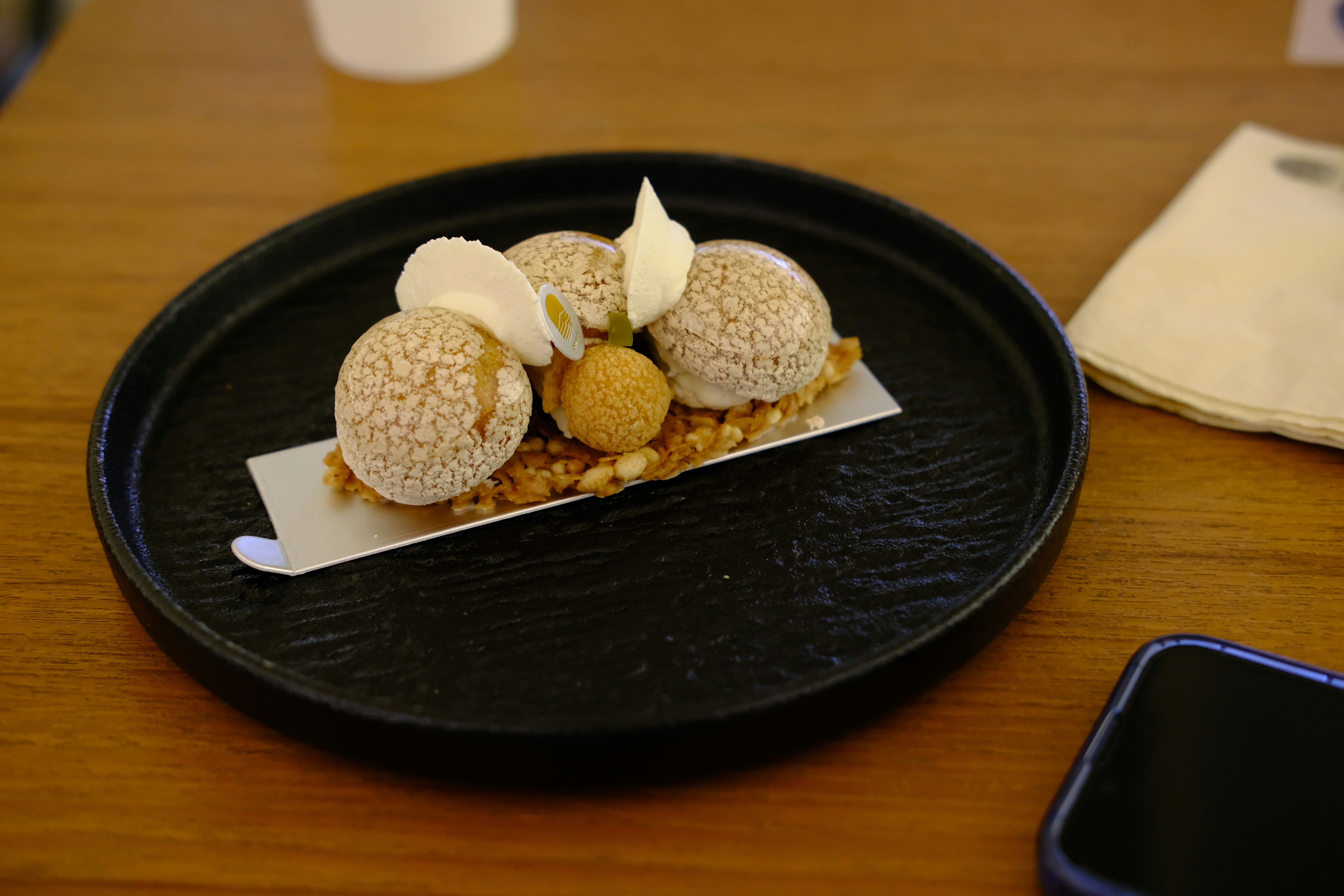
Chamonix may be known for its slopes, but dessert lovers will find just as much reason to celebrate after skiing. Whether you’re seeking flaky pastries, decadent hot chocolate, or a warming glass of vin chaud, the town offers plenty of indulgent ways to cap off a cold alpine day.
Artisanal Bakeries and Patisseries
Stroll through the old town and you’ll quickly see why Chamonix is a magnet for pastry lovers.
Pâtisserie Richard – A local institution known for its flaky mille-feuille, buttery croissants, and regional fruit tarts.
MOÖ Bar & Cuisine – While primarily a bistro, their pastry case is small but mighty—freshly made, not overly sweet, and always seasonal.
Aux Petits Gourmands – A cozy stop for macarons, mini éclairs, and cheesecake slices that rival those in Paris.
Best Hot Chocolate Joints in Town
Not all hot chocolate is created equal. In Chamonix, the best versions come luxuriously thick, hand-stirred, and served piping hot.
La Chocolaterie de Chamonix – Known for its house-made chocolate blend and customizable toppings like whipped cream and cinnamon.
Chalet 4810 – A warm alpine escape offering rich hot chocolate in traditional ceramic mugs. Its café-meets-concept-store atmosphere makes it a standout.
La Maison du Brasseur – Better known for beer, but ask for their off-menu dark chocolate drink made with local cream. It’s worth it.
Vin Chaud and Dessert Wine Pairings
Take your après-ski experience up a notch with a glass of something sweet and warming.
Vin Chaud – Found at nearly every café and lounge, but locals swear by the spiced wine at Le Terrasse Café, served with a twist of orange peel and clove.
Late Harvest Whites & Ice Wines – Often paired with fruity desserts at Bivouac Restaurant, where the staff are happy to recommend unexpected pairings.
Reblochon and Dessert Wine Duo – For a savory-sweet contrast, La Caleche serves melted Reblochon with a drizzle of honey next to a glass of Monbazillac or Muscat.
These culinary treats offer more than just sugar—they’re a delicious dive into Chamonix’s sense of place and indulgence. No ski day is truly complete without a sweet finish.
Where the Locals Eat – And Why It Matters
When it comes to experiencing Chamonix like a true foodie, going where the locals go makes all the difference. While the town center is packed with options, the real culinary gems lie just slightly off the main drag—tucked in side streets or nestled in lesser-known neighborhoods.
Hidden Gems for an Authentic Evening Out
Skip the tourist-clogged main squares and follow the trail of locals to warm, welcoming eateries serving up genuinely memorable meals. Here are some insider-favorite spots:
La Caleche – Classic Savoyard dishes without the tourist prices, in a wood-paneled setting that oozes Alpine character.
Le Matafan – A refined experience with beautiful plating and a strong emphasis on local ingredients.
Chez Constant – French bistro vibes with hearty, well-executed regional dishes.
Bizes – Where tradition meets creativity—think mountain ingredients with a global twist.
These spots are consistently praised by residents for offering both quality and value.
How to Avoid the Tourist Traps
Tourist-heavy restaurants often charge more for less, banking on foot traffic and one-time visitors. To sidestep that experience:
Check the language on the menu: If it’s only in English, beware—locals probably don’t frequent it.
Observe the clientele: A mix of families, ski instructors, and locals is usually a good sign.
Look off the main square: Some of the best spots are just a two-minute walk away from the crowds.
Mealtime Tips: Reservations vs. Walk-Ins
Evening dining in Chamonix can be lively, especially during peak ski season. To secure a smooth experience:
Make Reservations Early: The most sought-after local spots fill up quickly—especially Thursday through Sunday. Book at least 24–48 hours in advance when possible.
Consider Early or Late Dining: A 6:30 PM seating offers a quieter vibe, while 9:00 PM gets you in after the rush.
For Walk-Ins: Brasseries and wine bars are often more accommodating to walk-ins, especially if you’re okay with bar seating or dining a bit off-peak.
By knowing where to go and when to arrive, you can enjoy a deeply satisfying, tourist-free evening of Alpine cuisine—just like the locals do.
Pair It With the Right Atmosphere: Après-Ski Bars & Lounges
Once the skis are off and the snow melts from your boots, it’s time to shift gears. Chamonix’s après-ski scene isn’t just loud pubs and party chalets—it’s also mellow wine bars tucked into stone alleys and terraces with Mont Blanc views that steal the breath.
If you’re after comfort and conversation, head to one of the tucked-away wine lounges near Rue du Docteur Paccard. These spots serve up regional vintages without flash—just low lighting, warm wood interiors, and long pours from Savoie and beyond. Ideal for winding down.
For those looking to stretch the night a bit further, Chamonix doesn’t disappoint. Late-night venues run the gamut: sleek cocktail bars for a sophisticated finish or low-ceiling pubs with local beer and live music if you want a looser vibe. The real trick is choosing the right spot to match your mood.
Need help figuring that out? Check out this solid local roundup: Après-Ski Hotspots.
Final Bite: Making the Most of Food-First Evenings
Chamonix is built for adventure, but the magic kicks in once the boots come off. The go-to itinerary is simple: ski hard, rinse off the mountain, then settle into a night of indulgence. Think of it as a three-act play—carve turns by day, reset with a hot shower and maybe a nap, then chase the flavors that make Alpine evenings unforgettable.
Timing matters. Reservations between 7:00 and 8:00 p.m. hit the sweet spot—early enough to beat the tourist crowds, late enough to miss the ski-boot-clad rush straight from après-ski bars. Skip the overpriced raclette spots with Instagrammable decor and not much else. Go for unpretentious kitchens with a local following. And unless you’re with kids, you can skip the fondue gimmick with sparklers.
Your perfect evening? Start with a glass of vin chaud at Elevation 1904—just warm enough to thaw you without knocking you out. Walk to La Tablee for a rich tartiflette or duck confit with mountain herbs. Let the pacing stay slow. Around 9:30, head to Patisserie Richard for late desserts—chestnut mousse, dark chocolate tarts if you’re lucky—and a final digestif. If you’re still standing, drift into Big Mountain Bar for a quiet nightcap and sharp views of the Aiguille du Midi lit up under the stars.
No tricks. No fluff. Just good food, alpine soul, and a schedule you’ll want to repeat.
 Charleson Youngoron
Is the visionary founder of Winder Sportisa, a company dedicated to excellence in the sports industry. With a passion for both sports and business, Charleson has combined his extensive knowledge and experience to create a dynamic organization that prioritizes community, integrity, and innovation. Under his leadership, Winder Sportisa has grown into a respected name, known for its commitment to creating an inclusive and supportive environment. Charleson's dedication to these core values has been instrumental in shaping the company's culture and guiding its success. His forward-thinking approach and unwavering commitment to quality continue to drive Winder Sportisa to new heights.
Charleson Youngoron
Is the visionary founder of Winder Sportisa, a company dedicated to excellence in the sports industry. With a passion for both sports and business, Charleson has combined his extensive knowledge and experience to create a dynamic organization that prioritizes community, integrity, and innovation. Under his leadership, Winder Sportisa has grown into a respected name, known for its commitment to creating an inclusive and supportive environment. Charleson's dedication to these core values has been instrumental in shaping the company's culture and guiding its success. His forward-thinking approach and unwavering commitment to quality continue to drive Winder Sportisa to new heights.