Intro: Why Zermatt Is A Visual Goldmine
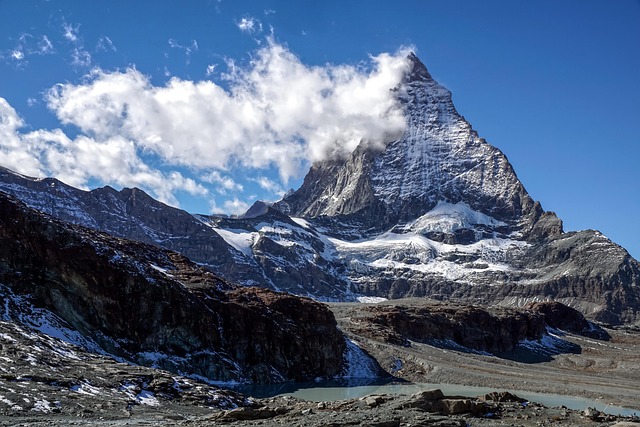
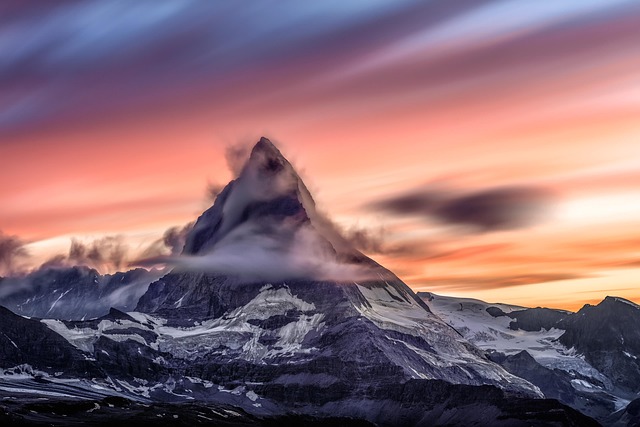
Zermatt gets plenty of love from skiers and snowboarders, but here’s the truth—some of its biggest thrills come without a lift pass. This alpine village sits in the shadow of the Matterhorn, tucked into one of the most photogenic valleys on Earth. For anyone with a camera, it’s pure gold.
You’ll find the iconic views easily—train station snapshots, hotel balconies, the usual suspects. But the real stunners hide in plain sight. Think forgotten alleyways, odd angles, and lookout trails the guidebooks gloss over. You’ve got to go a bit off-script to see why creators keep coming back here, trip after trip.
This list isn’t about clichés. It’s about framing Zermatt with fresh eyes. So grab your gear, follow the quiet footpaths, and let the visuals do the talking. Here’s where to shoot Zermatt like you’ve never seen it before.
Hinterdorf – Zermatt’s Hidden Historic Core
Step off the main road and into Zermatt’s oldest quarter—Hinterdorf. Tucked away just minutes from the village center, this charming enclave reveals a side of Zermatt few tourists stop to capture.
Timeless Atmosphere in Every Corner
Hinterdorf winds through a maze of:
Narrow stone-paved lanes
Centuries-old, sun-darkened wooden chalets
Stacked barns and granaries once used to store food above the snowline
Golden hour transforms this neighborhood into a living postcard—when soft light cuts through the alleyways and warms the old timber.
Why Early Morning is Pure Magic
The quiet of sunrise in Hinterdorf is unmatched. Streets are empty, the air is still, and the first beams of sun light up rooftops with a soft glow. It’s the best time to let the village’s rustic profile shine—without foot traffic or distractions.
Morning shadows enhance depth in every shot
Ideal conditions for wide and detail-focused photography alike
Peaceful silence helps you experience the old-world ambiance fully
Authentic Switzerland, Frozen in Time
What makes Hinterdorf so special isn’t just its architecture—it’s the preserved sense of place. This is Zermatt before luxury hotels and tourist crowds. A photographer’s dream made real.
Organic textures: stone, wood, and weathered charm
Minimal commercial signage or modern disruptions
Perfect backdrop for storytelling, portraits, or standalone compositions
Curious how Zermatt changed over time? Dive deeper into its travel history
Winkelmatten – The Quiet Angle on the Matterhorn
Just a short walk southwest from Zermatt’s center, Winkelmatten feels like a completely different world. Tucked away from the main tourist drag, it’s a local neighborhood that delivers unfiltered alpine life—quiet paths, sleepy homes, and almost no foot traffic. But what makes it a must-visit isn’t the peace—it’s the view.
From Winkelmatten, the Matterhorn doesn’t feel curated. It rises raw and clean, framing itself naturally between rooftops, fir trees, and hills. Fewer filters, more honesty. Head there at blue hour or just after sundown, and you’ll catch soft light filling the valley, shadowing the mountain’s edges in a way midday can’t. The contrast is subtle but cinematic.
No travel mobs, no selfie-stick chaos. Just you, your lens, and one of the most dramatic silhouettes in the Alps.
Riffelsee – Mirror Reflection Heaven
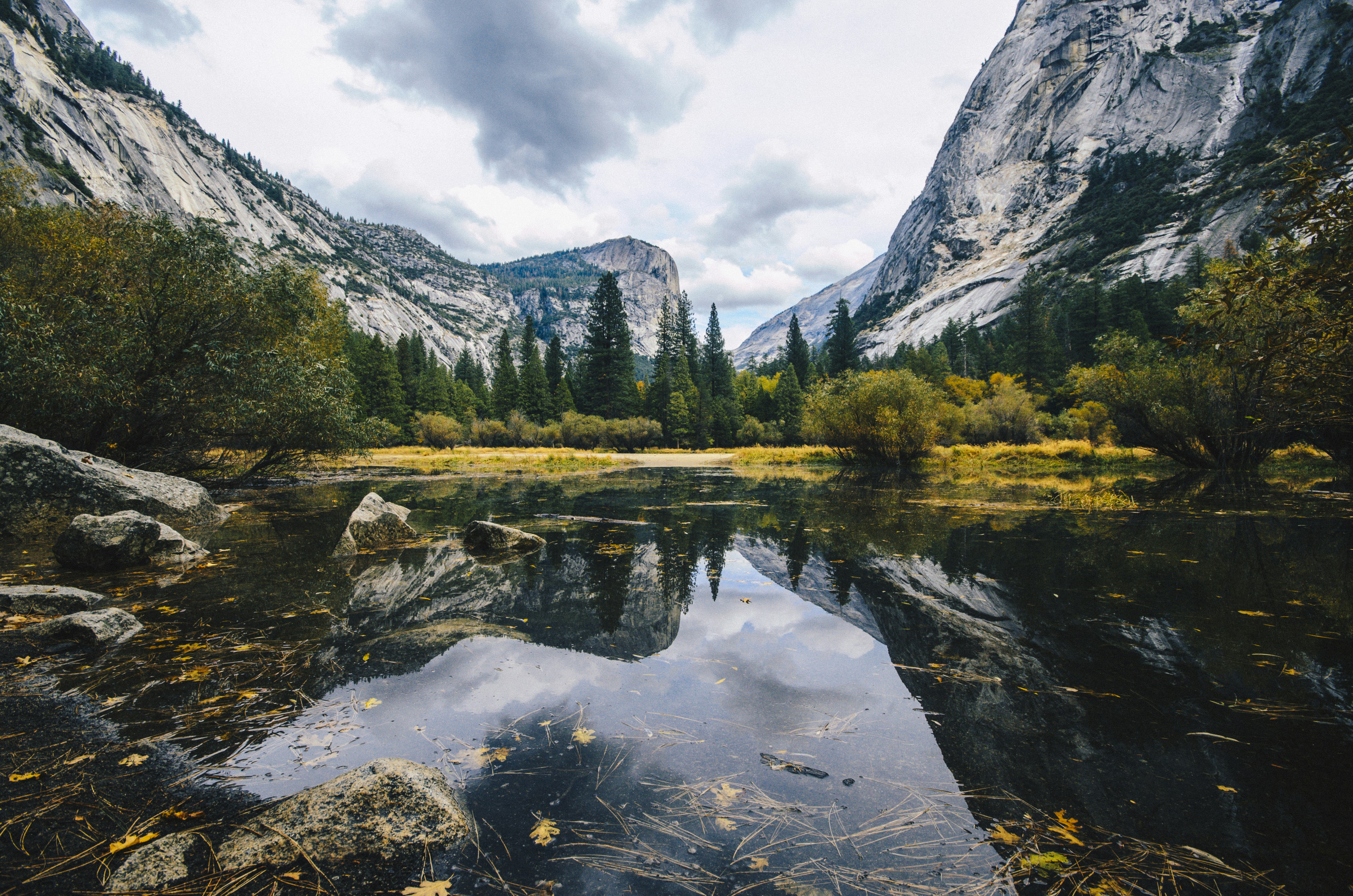
This is the shot everyone wants—and few get right. Riffelsee is where the Matterhorn reflects perfectly in still, alpine water. But here’s the trick: you’ve got to be there at sunrise. That’s when the lake is calmest, winds are low, and light hits the peak just right. Any later, and even a subtle breeze can shatter the effect. Get up early, layer up, and beat the first tourist wave.
To get there, hop the Gornergrat Bahn and ride up to the Rotenboden station. From there, it’s a short and mostly flat hike to the lake. Even groggy, it’s hard to miss—just follow the trail markers and the handful of other early risers in hiking boots with tripods.
Bring a wide-angle lens. Not just for the mirror shot, but to pull in the mountain, the lake, and the open sky without cropping out the drama. It’s a place where the frame matters. Don’t waste it.
Gornergrat Summit – Panoramic, No Filter Needed
A High-Alpine Viewpoint Like No Other
Standing at over 3,000 meters, the Gornergrat summit is one of the most breathtaking vantage points in the Swiss Alps. From this ridge, you can capture a full panoramic sweep of 29 snow-capped peaks—including the iconic Matterhorn—from a single location.
Clear views of Monte Rosa, Liskamm, and the Matterhorn
Ideal for wide-angle or panoramic photography
Easily accessible year-round via the cogwheel Gornergrat Bahn
Timing Your Visit for Maximum Impact
The mountain weather can shift quickly, making timing critical. Whether you’re chasing sunlit ridgelines or moody alpine shadows, plan accordingly for the best shots.
Mornings: Crisp light, fewer visitors, and better clarity
Late Afternoon: Warm hues that highlight the contours of surrounding peaks
Post-storm Windows: Perfect for capturing low-lying clouds and dramatic sky breaks
Pro tip: Cloud cover midday can soften harsh contrast—ideal for filming stop motion or timelapse footage.
Gear and Composition Tips
Altitude photography brings unique challenges, but the right approach makes all the difference.
Bring a zoom lens to isolate distant peaks or highlight ridgeline textures
Use a polarizing filter to cut haze and enhance contrast against bright snowcaps
Play with low foregrounds (like railings or patches of ice) to frame vast horizons
Stay aware of wind conditions when shooting longer exposures and keep your batteries charged—cold climes drain them quickly.
Don’t miss the full guide to exploring the Matterhorn to plan a photo-forward adventure beyond Gornergrat.
Findeln Hamlets – Off-Track, Pure Switzerland
Tucked into the slopes above Zermatt, Findeln feels like time bowed out decades ago. Wooden barns lean just right with age, ringed by alpine meadows that bloom in summer and blaze gold in fall. No souvenir stands. No fistfuls of tourists. Just stillness, the crunch of boots on dirt, and the kind of silence that lets you hear your own breath.
Locals come here to breathe. To hike, to be still, to remember why they stay. For photographers, it’s that rare setting where every frame tells a story without trying too hard. The backdrop? Wide open alpine skies and Matterhorn peeks that sneak in when the light’s just low enough.
If you can, time it for mid-October—when the larch trees trade green for fire. The soft light and warm tones turn everything cinematic. Golden hour here isn’t just a phrase—it’s the air, the texture, the whole moment.
No access roads. Just footpaths. Start early, pack light, and shoot wide. Nature does the rest.
Wrap-Up: Shoot Smart, Leave No Trace
The best photos don’t come from the fanciest gear—they come from learning how to work the scene. Wait for the light to shift. Move your feet. Find the angle no one else bothered to look for. Zermatt rewards patience and a sharp eye more than a suitcase full of lenses.
But with beauty comes responsibility. Many of the best photo spots pass through or near private land—respect gates, fences, and signs. Don’t trample alpine meadows or shortcut through farmer trails. It’s not just about being polite—it’s about keeping these places intact for the next traveler who wants the same quiet magic you came for.
Take your shots, soak in the view, and then leave it better than you found it. That’s how you capture Zermatt—and still let it breathe.
 Matthew Farrell
Is a talented author at Winder Sportisa, renowned for his insightful and engaging writing. With a deep passion for sports and a keen eye for detail, Matthew crafts content that resonates with a diverse audience. His commitment to accuracy and storytelling excellence has made him a valuable asset to the team. Matthew's work reflects the core values of Winder Sportisa, emphasizing community, integrity, and innovation. Through his writing, he not only informs but also inspires readers, contributing to the company's mission of creating a supportive and inclusive environment. His dedication and skill continue to elevate the quality of Winder Sportisa's content.
Matthew Farrell
Is a talented author at Winder Sportisa, renowned for his insightful and engaging writing. With a deep passion for sports and a keen eye for detail, Matthew crafts content that resonates with a diverse audience. His commitment to accuracy and storytelling excellence has made him a valuable asset to the team. Matthew's work reflects the core values of Winder Sportisa, emphasizing community, integrity, and innovation. Through his writing, he not only informs but also inspires readers, contributing to the company's mission of creating a supportive and inclusive environment. His dedication and skill continue to elevate the quality of Winder Sportisa's content.